


Prostatitis is an infectious and inflammatory disease, which is considered one of the most common, but at the same time, poorly studied and poorly amenable to conservative correction, pathology with severe urodynamic disorder.The incidence of prostatitis in recent decades is higher in men who are in the active reproductive phase (age group 20 to 45 years) and who are sexually active, although until recently it was believed that the maximum risk of inflammatory processes in the prostate exists only in older and older men.
In most cases, acute inflammation of the prostate develops against the background of mass contamination of the prostate mucosa with pathogenic and opportunistic microorganisms: gonococci, staphylococci, E. coli, etc.
In addition to antibiotics, which are used both in the acute phase of the disease and for the treatment of recurrent forms of infectious prostatitis (including CPPS - chronic pelvic pain syndrome), the complex therapy of inflammatory changes in the interstitial and parenchymal tissue of the gland also includes the use of modern methods, for example, laser therapy with pulsating microstructure. In order for the treatment to be effective and achieve a stable remission, the man will have to adjust the regimen, diet and lifestyle.
Basic therapy for infectious inflammations
The main goal of therapy in the treatment of any form of prostatitis is to stop inflammation and eliminate inflammatory changes, as well as relieve pain, the frequency of which, according to various sources, ranges from 35% to 67% (approximately every other man suffering from prostatitis complains of pain as the dominant symptom).In acute cases, the use of massive antibacterial therapy enables rapid achievement of a clinically significant effect, which occurs within 4-5 days.Despite the rapid alleviation of the condition in infectious prostatitis, it is impossible to stop treatment with antibiotics, because most of the typical causative agents of genitourinary infections very quickly develop resistance to drugs of this group, and stopping therapy leads to chronicity of the disease.
Some of the main causes of prostatitis - faecal staphylococcus and Escherichia coli - even if the conditions for the administration and continuous use of antibiotics are met, they are able to create a capsule of a thick film around the membrane membrane, which reduces the bioavailability of the drugs used and increases the resistance of the selected group of antibiotics.For this reason, it is recommended to continue antibiotic therapy even if a positive result is quickly achieved for at least 4 weeks.
Why you can't choose the antibiotic yourself
Antibiotics are the basis for the treatment of acute infectious prostatitis, but they must be prescribed by a doctor after a laboratory examination of prostate secretions, taking into account several factors: the type of pathogen identified, the degree of mucosal contamination and the resistance of a certain microorganism to certain groups of antibiotics.Experts in the field of practical urology also note that in recent years there has been a steady increase in mixed genitourinary infections, so combinations of several antibacterial and antimicrobial agents are often used to treat acute prostatitis.
Self-treatment of acute prostatitis in almost 60-70% of cases leads to chronic infection, which is a very high rate and confirms the unacceptability of self-selecting drugs and neglecting medical prescriptions.The importance of undergoing laboratory and physical diagnostics, as well as consultation with a specialist, before using antibiotics is due to the following things.
- Bioavailability indicators.Some antibacterial drugs (for example, the most popular and prescribed antibiotics - drugs from the penicillin group) have a low degree of penetration into prostate tissue, so their use for prostatitis is ineffective and impractical.Almost all aminoglycosides also have poor bioavailability.
- Degree of bactericidal effect.In the case of acute damage to the prostate, antibiotics with bactericidal action, which cause the death of the infectious pathogen, should be chosen.In chronic cases, it is more advisable to prescribe drugs with a bacteriostatic effect, stopping the growth of pathogenic flora and preventing its reproduction.
- General condition of the patient.Patients with severe immunosuppression, as well as severe manifestations of febrile and intoxication syndrome, should be treated in a hospital setting.Antibiotics are given to such patients intravenously (oral dosage forms are ineffective in severe clinical cases).
Pay attention!The absence of a positive effect during the application of antibacterial therapy may indicate the development of a prostate abscess.This is an acute pathology that requires immediate hospitalization of the man in the hospital and surgical opening of the abscess, followed by drainage and antiseptic treatment of the cavity.
Modern methods of treatment of chronic inflammation
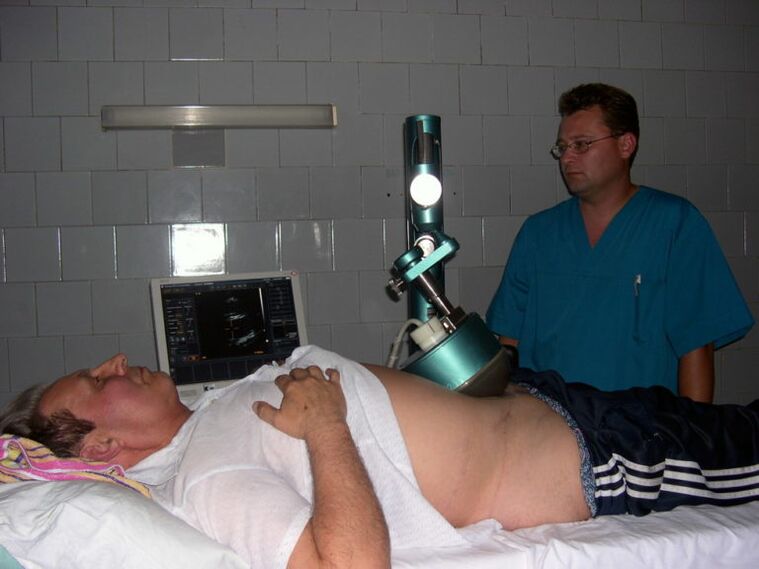
Physiotherapy is a medical branch that studies and applies for therapeutic purposes various natural factors (including artificial ones) that have a positive effect on the human body.In the complex treatment of pathologies of the genitourinary system, physiotherapy is used in the recovery phase, after the relief of acute symptoms.
The main goal of physiotherapy is to remove residual inflammatory effects and stimulate the regeneration of damaged tissues.A course of physiotherapeutic treatment usually consists of 5-10 procedures lasting 10-15 minutes.Achieving a positive result (reduction in the frequency and intensity of chronic pelvic pain, normalization of urination, improvement of the rheological properties of prostate secretion, etc.) may require several courses.
Low level laser therapy
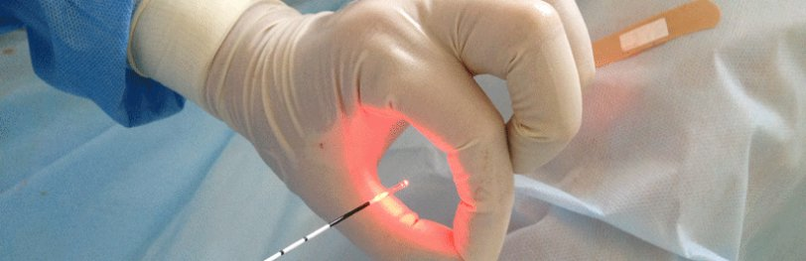
Laser therapy is one of the most effective and popular methods of treating chronic prostate inflammation in men, which is most often used as an auxiliary tool after primary medical correction.The basis of laser therapy is the use of an optical range emitted by a special device - a laser.The laser can work in pulsed and continuous pulsed mode, and the wavelength can reach up to 904 nm. In urology, the method of intravenous laser illumination of blood is rarely used, which many experts consider the most effective and universal method of complex treatment of many urological diseases.
The main advantages of laser therapy are its fairly high efficiency, painlessness and stimulation of not only damaged but also nearby tissues.This method of physiotherapy is especially useful for congestive (stale) prostatitis, because laser radiation has a positive effect on the microcirculation in the vessels of the pelvis and normalizes the flow of secretions from the prostate gland.
Electrical stimulation
Electrical current stimulation is indicated for the treatment of any form of prostatitis, accompanied by erectile dysfunction and a general decrease in potency.Stimulation is carried out by the endourethral method, that is, the catheter to which the electrode is attached is inserted directly into the back of the urethra, where the prostate is located.In some cases, rectal electrodes can be used for treatment, which provide electrical stimulation of the prostate at the point where it borders the anterior ampulla of the rectum.In both cases, it is important that the bowels and bladder are empty.
Treatment with electric currents has a complex positive effect on the prostate glands, namely:
- eliminates fluid (blood and lymph) stagnation in the pelvic organs;
- ensures normal outflow of prostate secretions;
- increasing the permeability of the cell membranes of the parenchymal tissue of the gland and its interstitium, which promotes faster absorption of drugs into the tissue of the inflamed prostate;
- reduces swelling;
- normalization of pelvic muscle tone;
- increasing the regenerative capacity of cells and local immunity (especially in chronic bacterial prostatitis).
The therapeutic effect after electrostimulation of the prostate appears after 2-3 procedures, but it is important not to interrupt the treatment in order to reduce the risks of possible recurrence.A full course usually consists of 5-7 procedures.
Pay attention!Prostate stimulation with electric current is particularly effective in prostatitis with severe erectile dysfunction.
Thermotherapy
Thermotherapy is also a type of physiotherapy and can be used for self-treatment of prostatitis or used in specialized physiotherapy rooms.Heat sources for heating the prostate can be:
- mineral applications (bishofite, paraffin, ozokerite);
- special electric lamps;
- heating pads (water, electric);
- devices for infrared radiation.
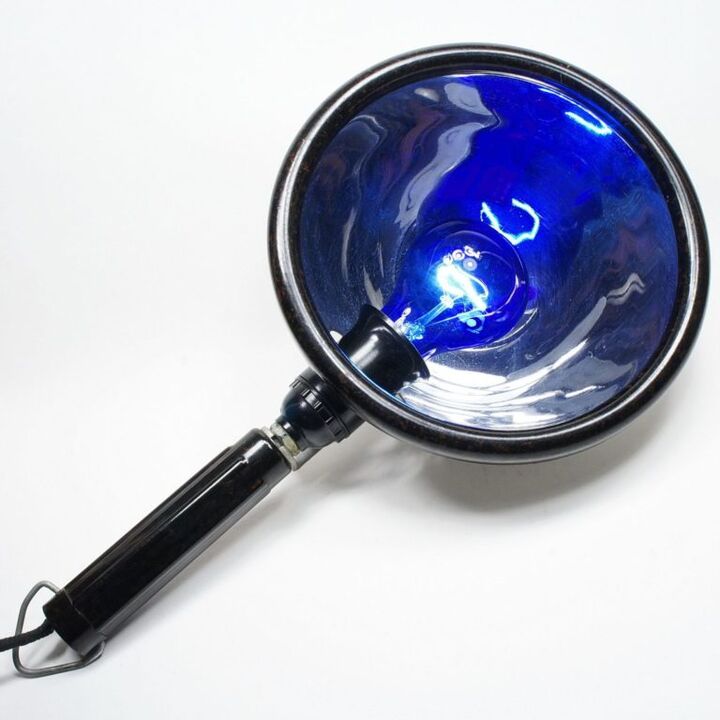
In day hospitals and physiotherapy rooms, spotlights are often used to warm the prostate, which are an incandescent lamp with a focusing shade ("blue lamp").The procedure has certain contraindications, for example, disorders of the autonomic nervous system, malignant tumors, acute infectious-inflammatory and purulent-infectious processes, active forms of tuberculosis.The use of heat procedures in the acute period of the disease is unacceptable, because it can lead to hematogenous infection of neighboring organs and tissues (due to a sudden increase in blood circulation) and the development of serious complications, including septic blood poisoning.
Important!If a man is prescribed hormonal or immunomodulatory therapy, it is necessary to consult a doctor about the possibility of applying thermal procedures (especially if the patient is being treated at home).It is unacceptable to prescribe thermal procedures with cytostatics and hemostatics.
Ozone therapy
This is a fairly effective modern method of treating prostatitis, which is practiced mainly in paid medical centers.Medical ozone is produced by special medical devices called ozonizers.The gas in its pure form is highly toxic and, if inhaled, can cause acute chemical poisoning and death.To introduce ozone into the patient's blood, the gas is mixed with blood or saline solution (salt concentration 0.9%).
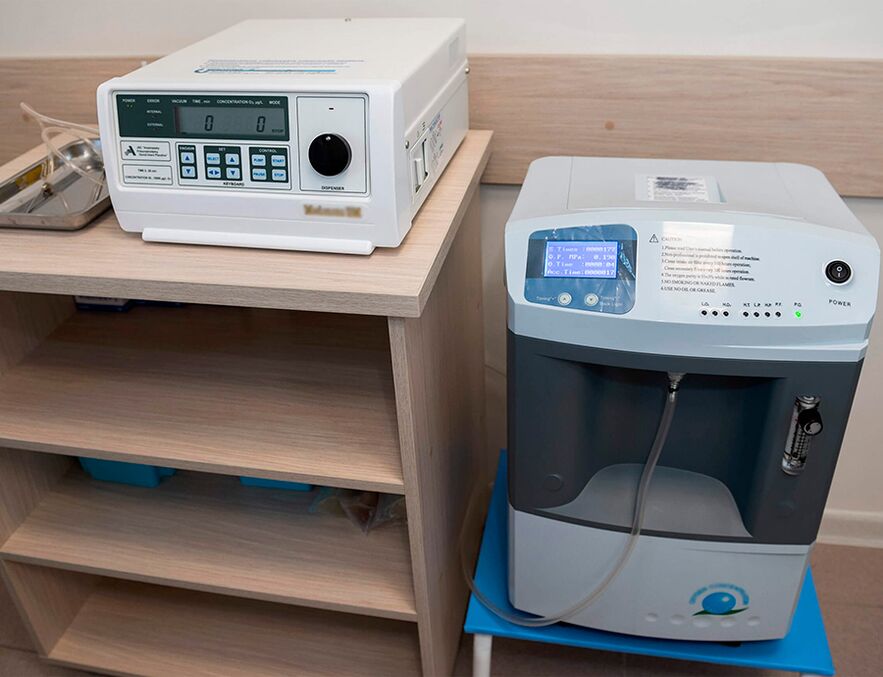
The main indication for using ozone therapy in prostate inflammation is chronic infectious prostatitis with frequent relapses (more than 2-3 times a year).Ozone has strong antiseptic and bactericidal properties, so it is often used to disinfect rooms, including industrial areas.It destroys almost all strains of pathogenic and opportunistic bacteria that most often cause inflammation of the prostate and are highly resistant to antibacterial drugs.The feasibility of using this method is considered justified if the patient does not experience stable positive dynamics after changing three antibiotics.
The ozone solution is injected with a special catheter into the prostatic part of the urethra or rectum.The course consists of 5-10 procedures.
Devices for the treatment of prostatitis
Hardware treatment of prostatitis can be carried out both in the physiotherapy room and at home (strictly after consultation with the doctor).Many of them are devices for rectal administration, so in addition to the main contraindications directly related to the disease, it is important to take into account local restrictions: acute stage of hemorrhoids, anal bleeding of unknown origin, violation of the integrity of the epithelial lining of the rectum, proctitis and paraproctitis.
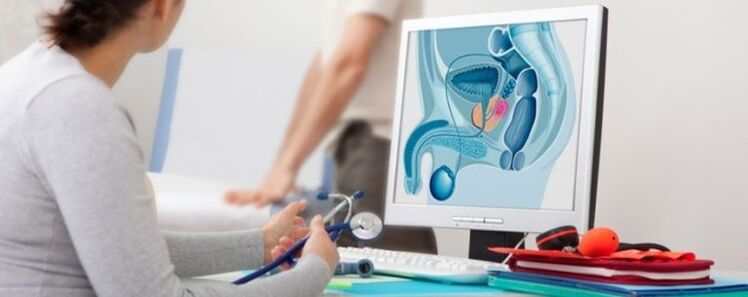
It is unacceptable to introduce any foreign objects (electrodes, sensors) into the rectum in case of rectal prolapse, pelvic abscesses, thrombosis of hemorrhoidal veins and congenital immaturity of the innervation apparatus of the large intestine.
Important!Before using any device for the treatment of prostatitis and prostate adenoma, you should consult your doctor, because some of these devices can be not only useless, but also significantly harmful to your health.Hardware effects on prostate tissue are unacceptable in the acute period of the disease, as well as in the presence of possible contraindications (listed above).
Prostatitis is a serious disease that requires an integrated approach to treatment.In addition to medication and physiotherapeutic methods for the treatment of prostatitis, in some cases psychocorrection is also necessary, as well as correction of lifestyle, eating habits, work and rest.Basic therapy during the period of recovery and rehabilitation should be supplemented with auxiliary methods of treatment: hirudotherapy (treatment with leeches), balneotherapy (treatment with mineral water), mud therapy, exercise.One should also move enough, give up bad habits and monitor one's psycho-emotional state.Outside the exacerbation period, an annual sanatorium-resort is indicated to consolidate the achieved result.